zro% periamyl® has just been officially listed on the Hong Kong Green Tableware Platform! 🎉
See us on the list: https://www.greentableware.hk/en-us/Home/PCBList
Our Organisation Registration Number: C02541
Remove the “e” from zero, Remove the “extras”
"ZRO excuses"
ZRO is a brand under Periplast Global, originally founded through the collaboration of partners from Germany, Switzerland, and Hong Kong. Our network has since expanded to include partners from Korea, Japan, Vietnam, and North America.
We bring together a dynamic team of innovative bio-based materials researchers, creative product development engineers and designers, and a marketing team that combines both experience and fresh perspectives. Together, we are dedicated to creating stylish, microplastic-free, single-use alternatives that support the natural cycle—helping make our planet a better place for future generations with ZRO excuse.
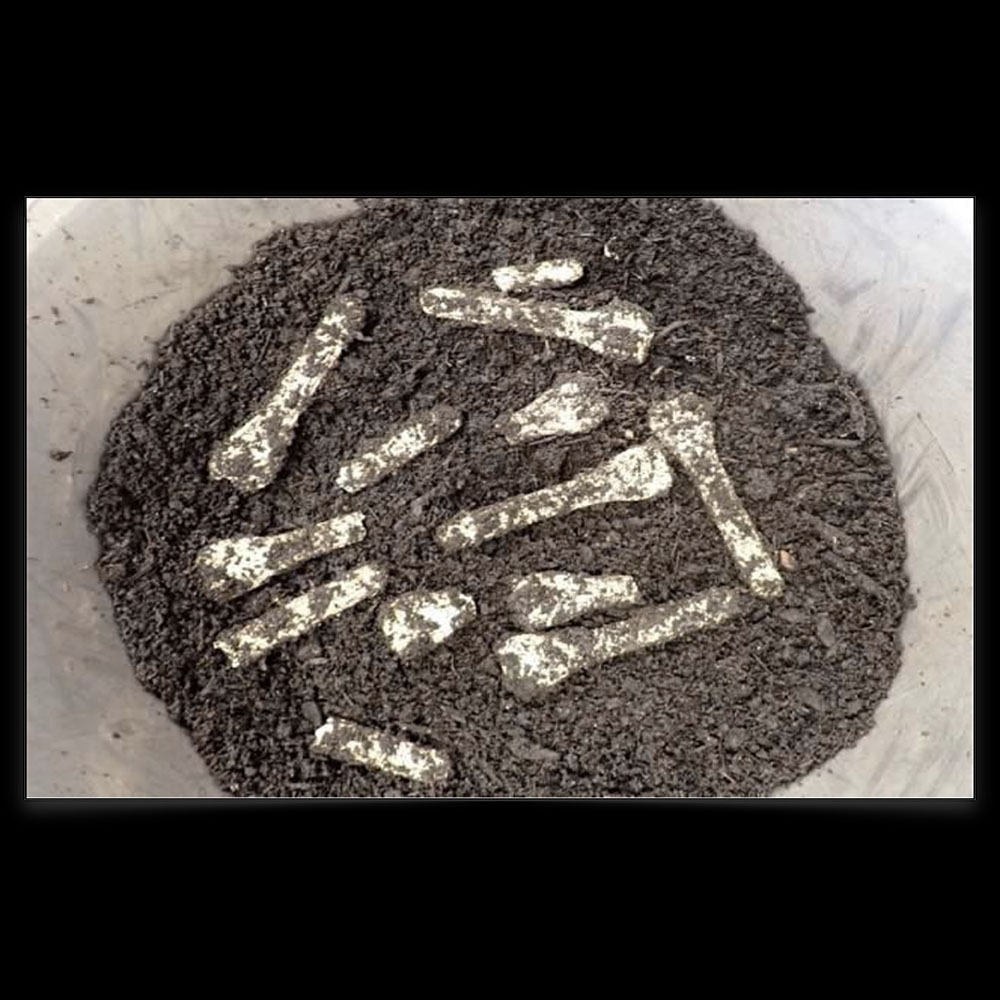
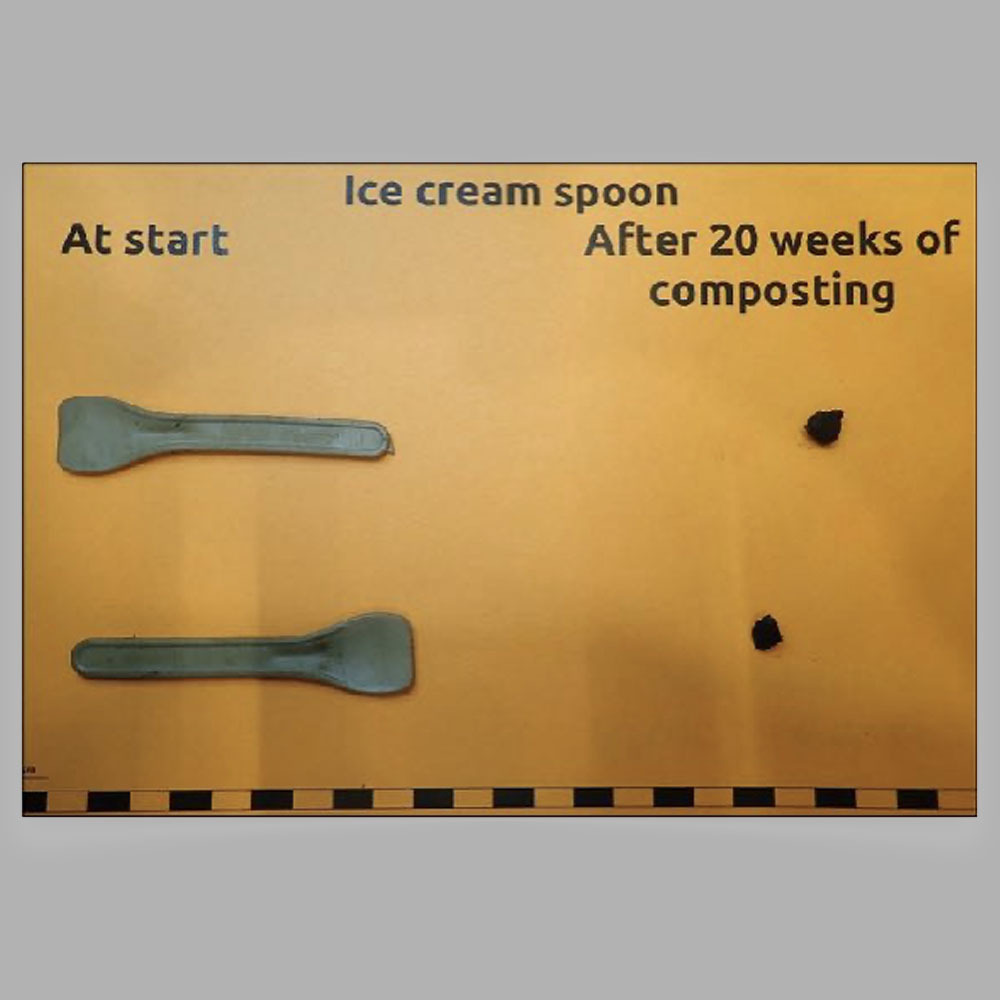
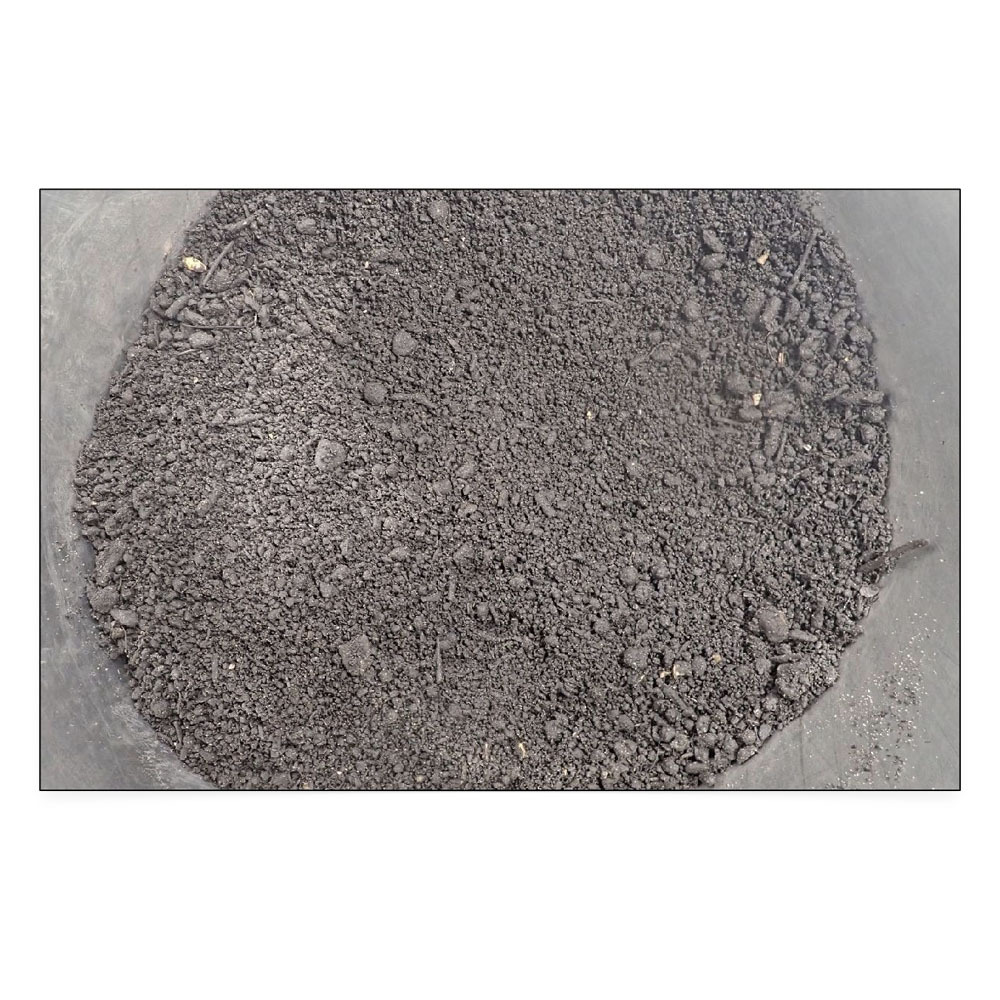
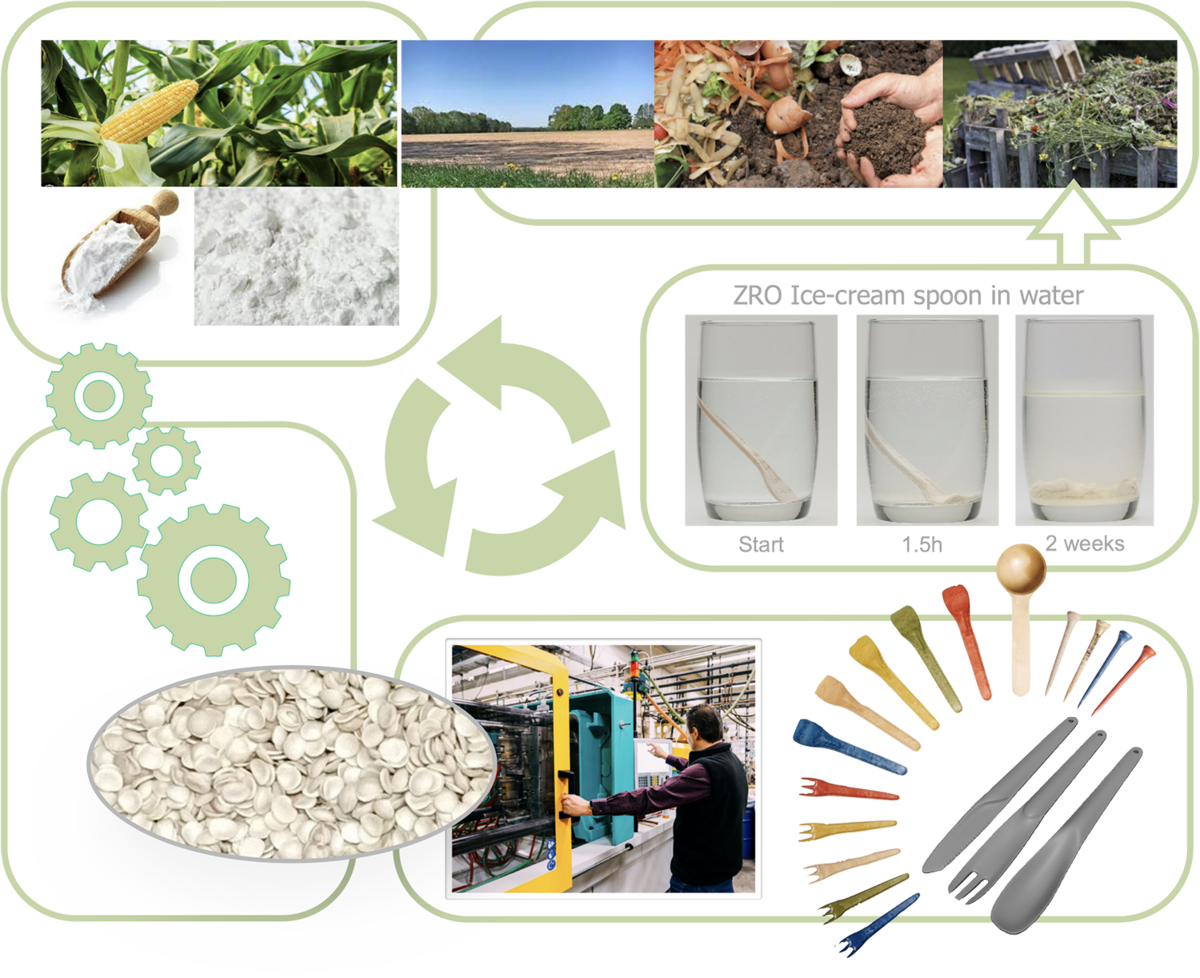
ZRO periamyl Composting progress:
At least 8 mm wall thickness
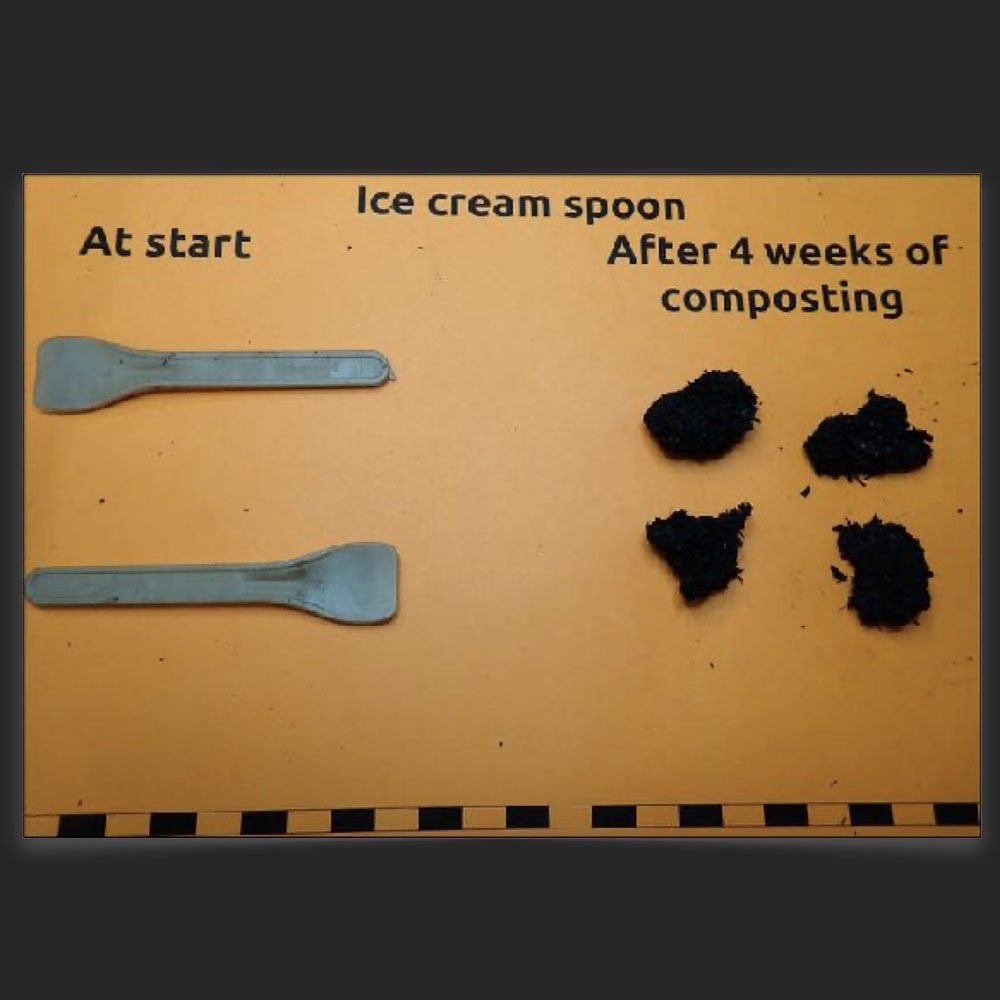
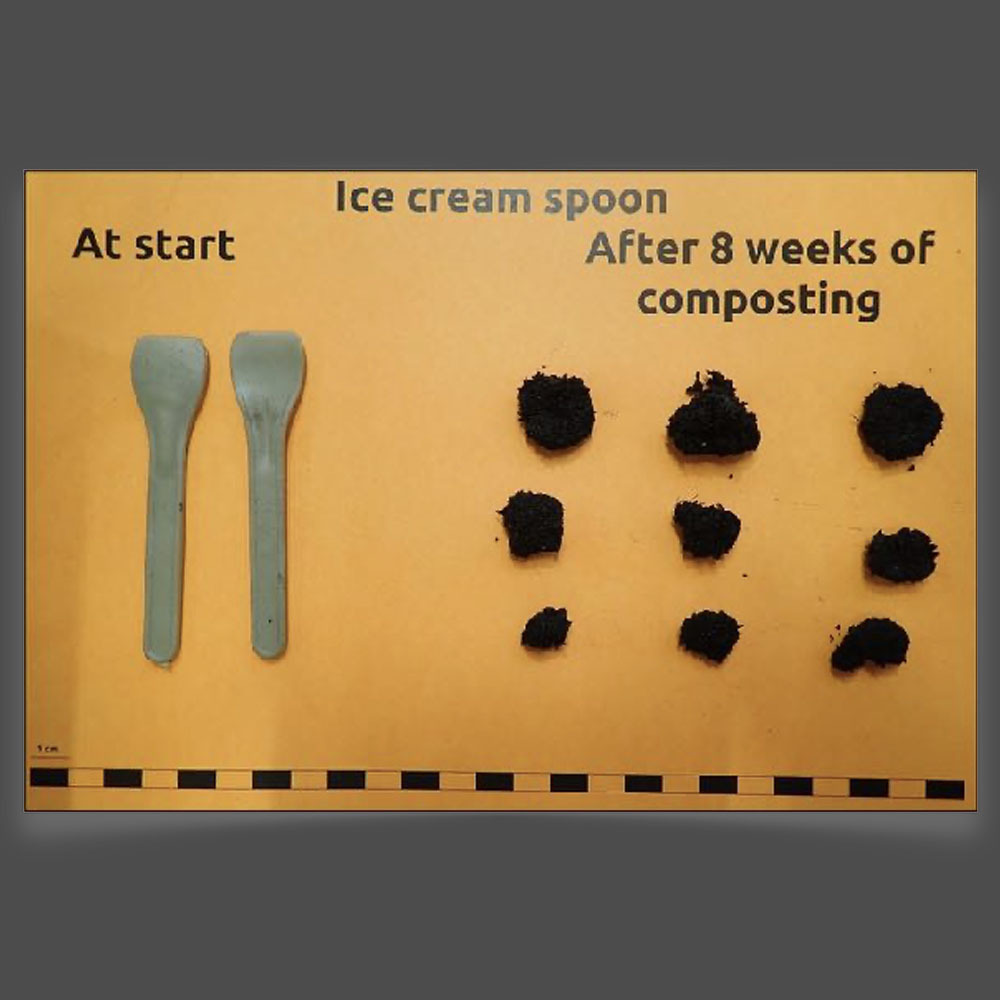
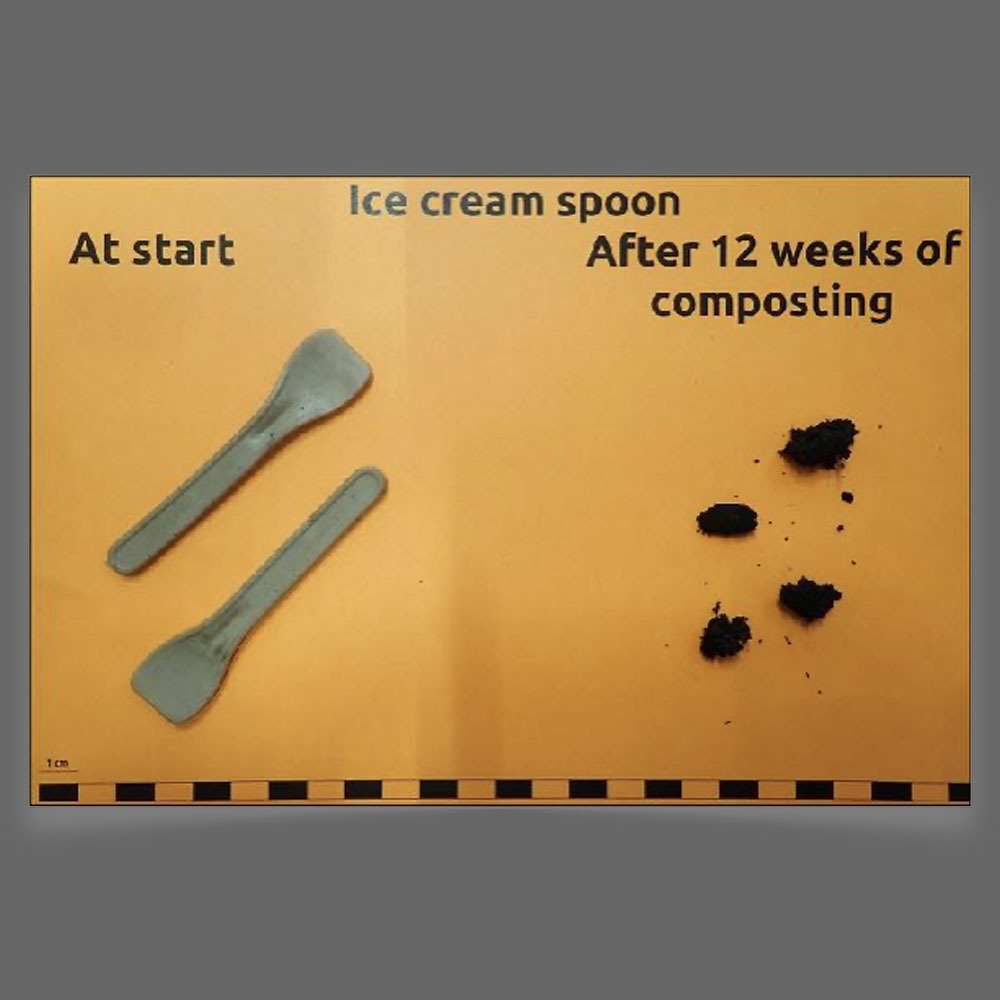
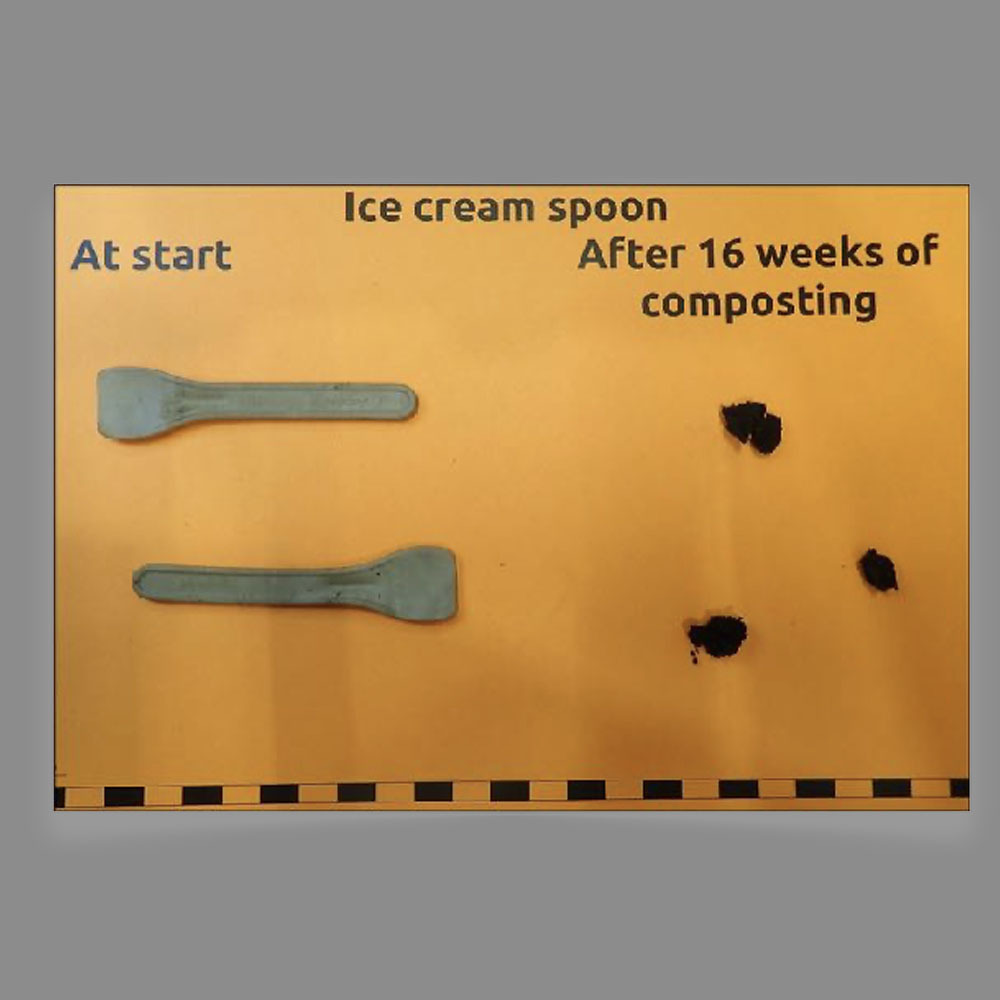
ZRO periamyl - A heat formable natural material based on starch
ZRO periamyl guarantees real sustainability
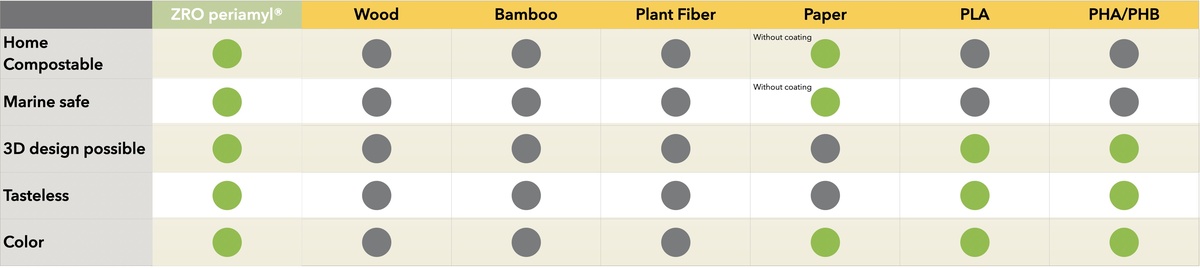
Competitive Edge of ZRO periamyl®
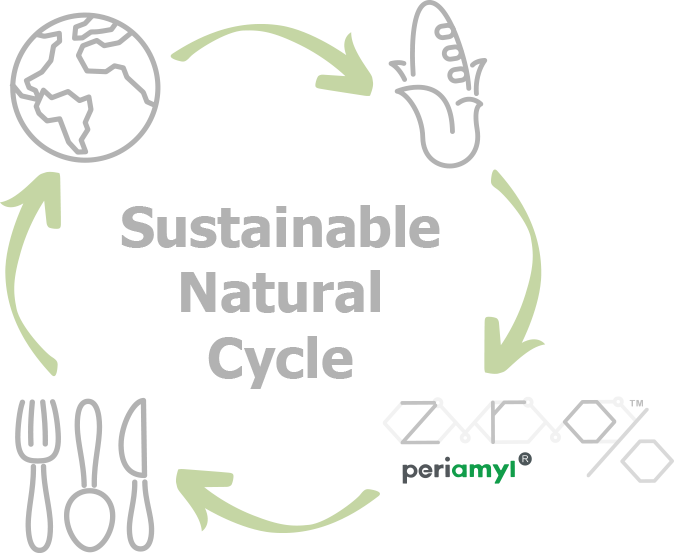
ZRO periamyl® material with Integrated recycling
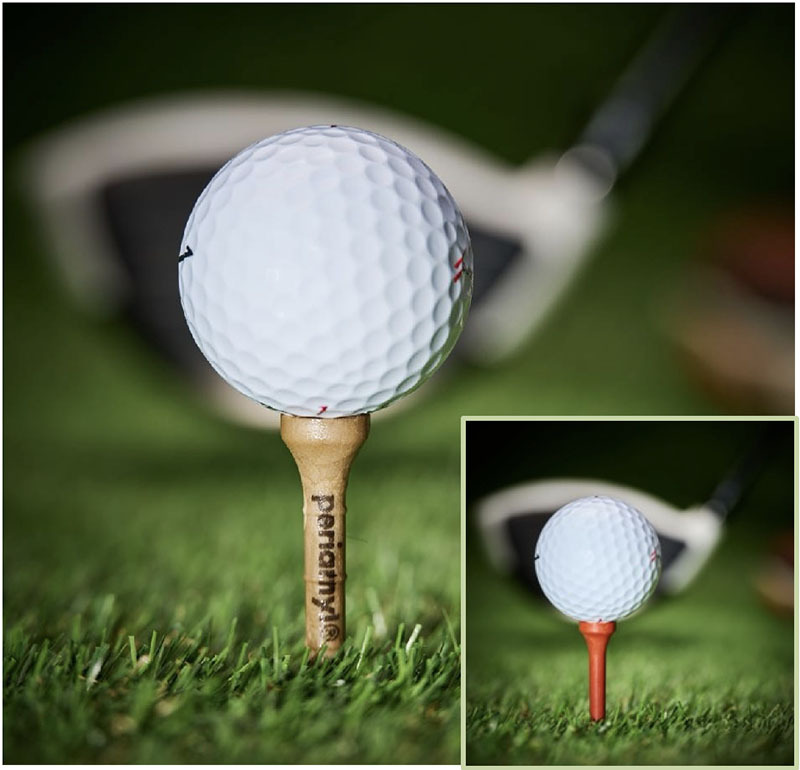
"By using the periamyl PROclima Golf Tee, we no longer need to worry about lawn mowers being damaged by broken golf tees, which saves both labour costs associated with checking for and removing tees left behind by golfers, as well as maintenance costs for repairing damaged lawn mowers."
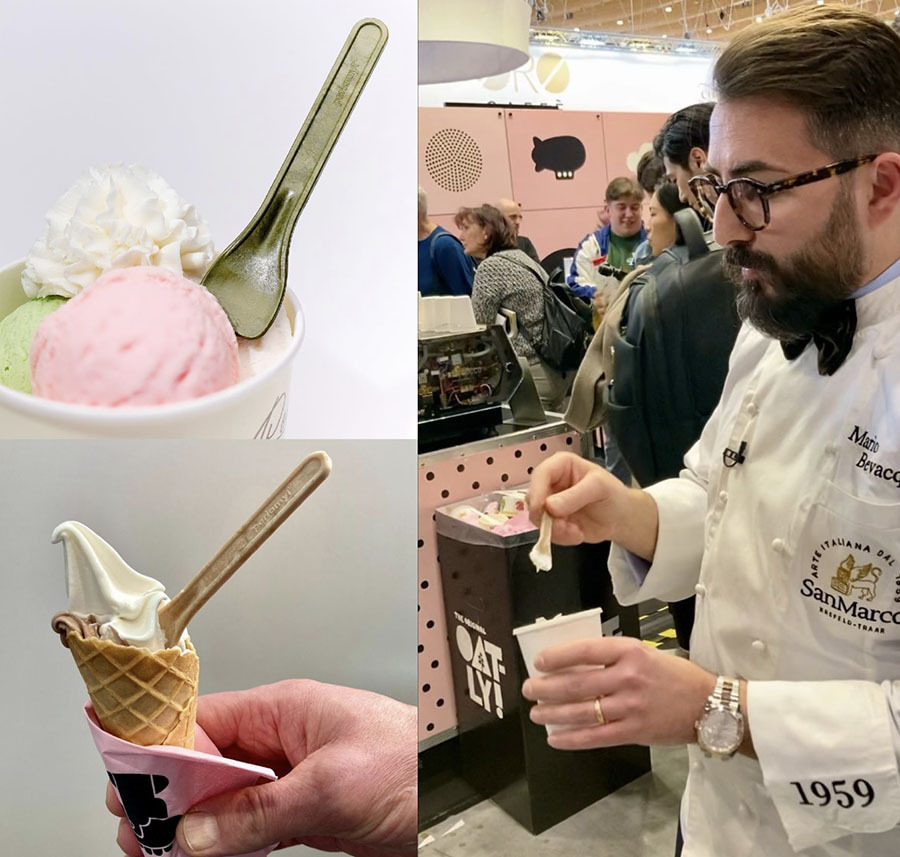
"While we wanted to use non-plastic ice cream spoons, we were concerned that wooden spoons affected the taste of our gelato. Thanks to Timo, who introduced us to periamyl ice cream spoons, this problem has been solved. These spoons are plastic-free, meet regulations, and are completely tasteless. We particularly love the red-colored version of these periamyl spoons!"
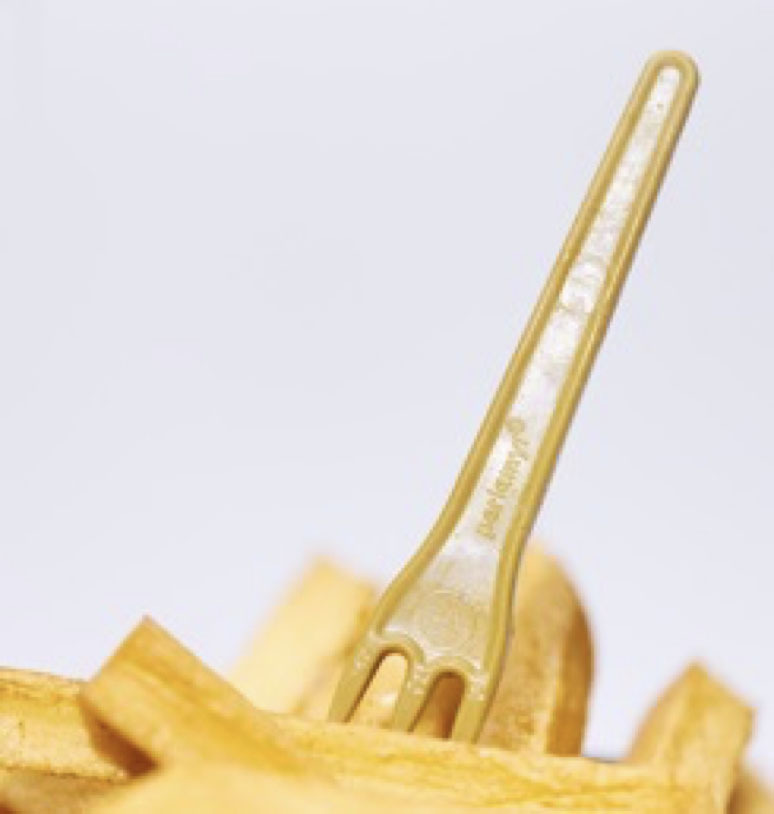
"The French fry fork performs perfectly, offering plastic-like durability while being compostable as food waste. It maintains its strength for up to 60 minutes of use, yet decomposes rapidly afterward. We especially appreciate that it comes in various colors while being completely plastic-free
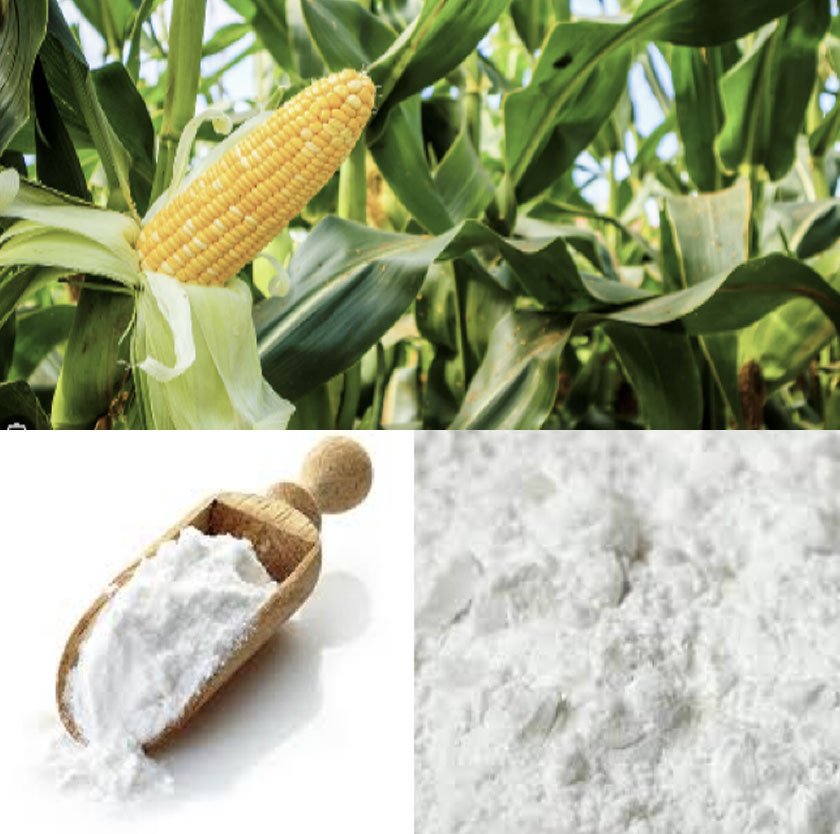
Corn starch is a tried-and-tested material that is already widely used in industry
(e.g. for adhesives).

Corn can be grown almost anywhere in the world - i.e. regionally. This means short transportation routes and a good CO2 balance.
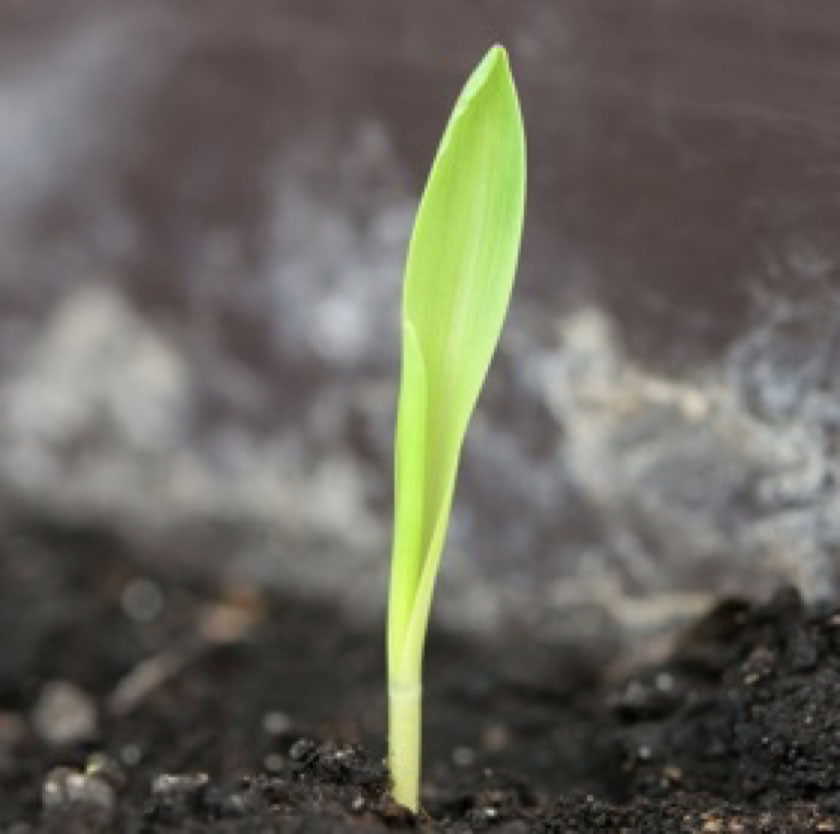
Maize is a fast-growing, inexpensive plant that requires relatively few pesticides and mineral fertilizers.

The maize plant is relatively drought-tolerant. A persistent lack of water leads to reduced yields, but not to crop failure.

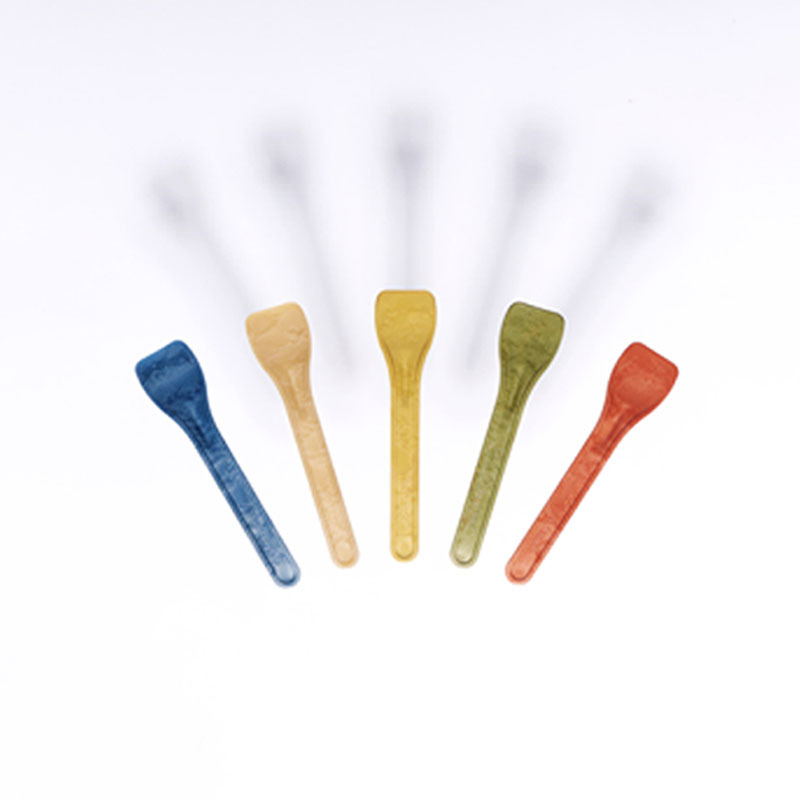
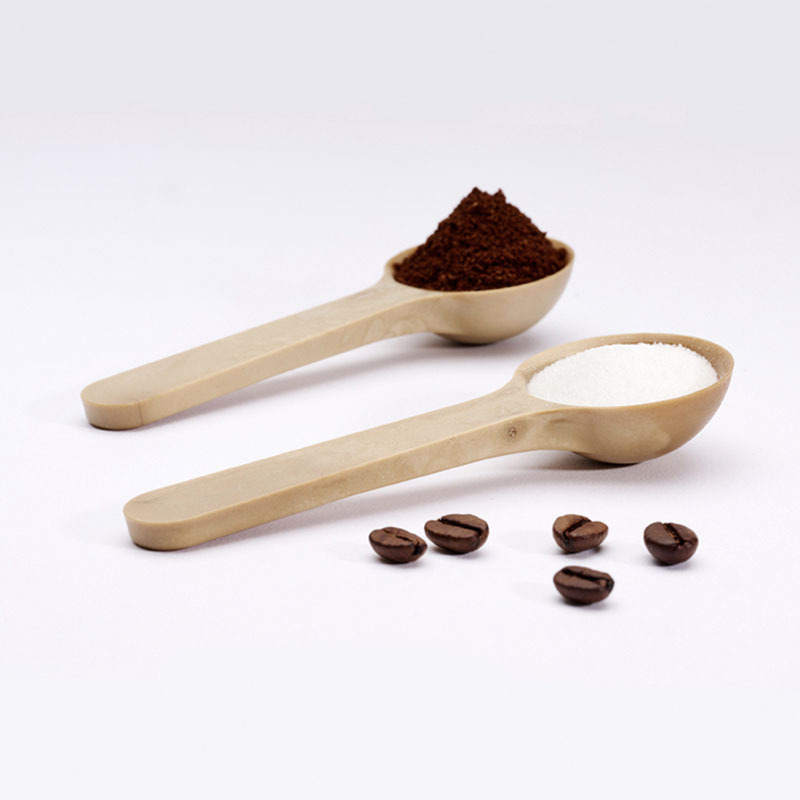
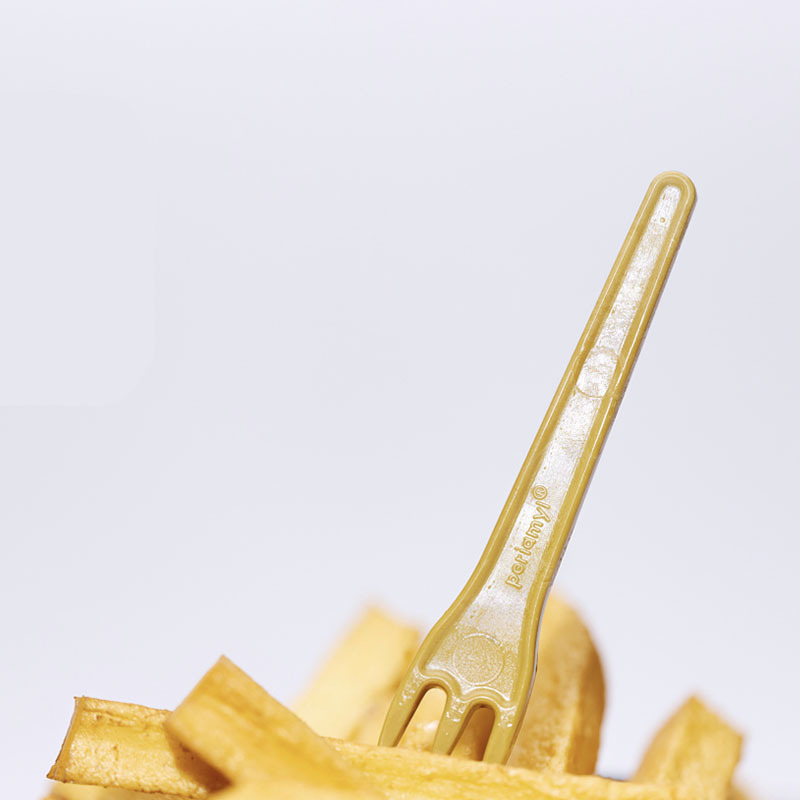

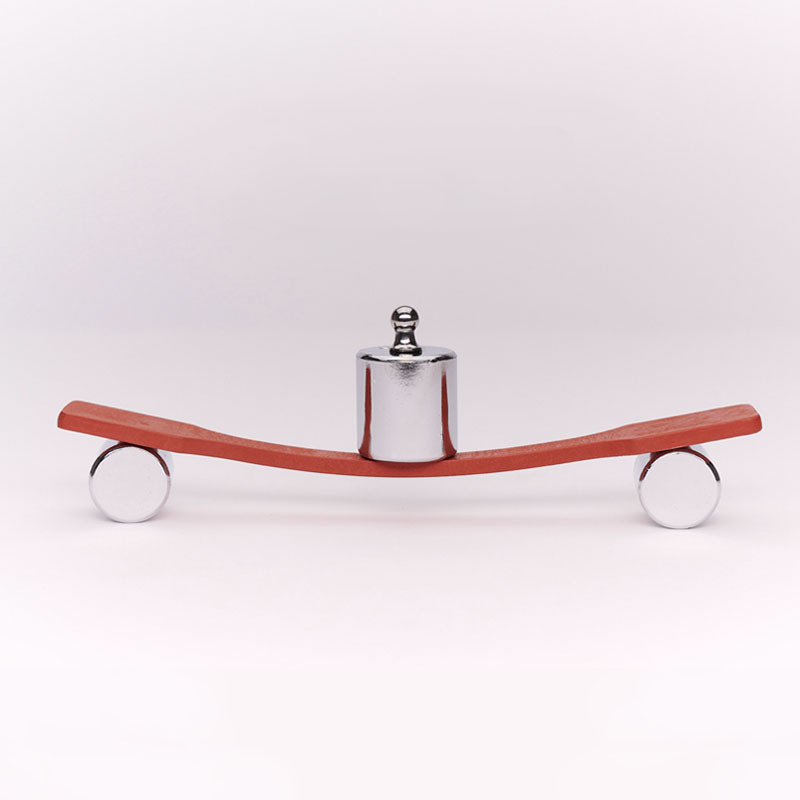
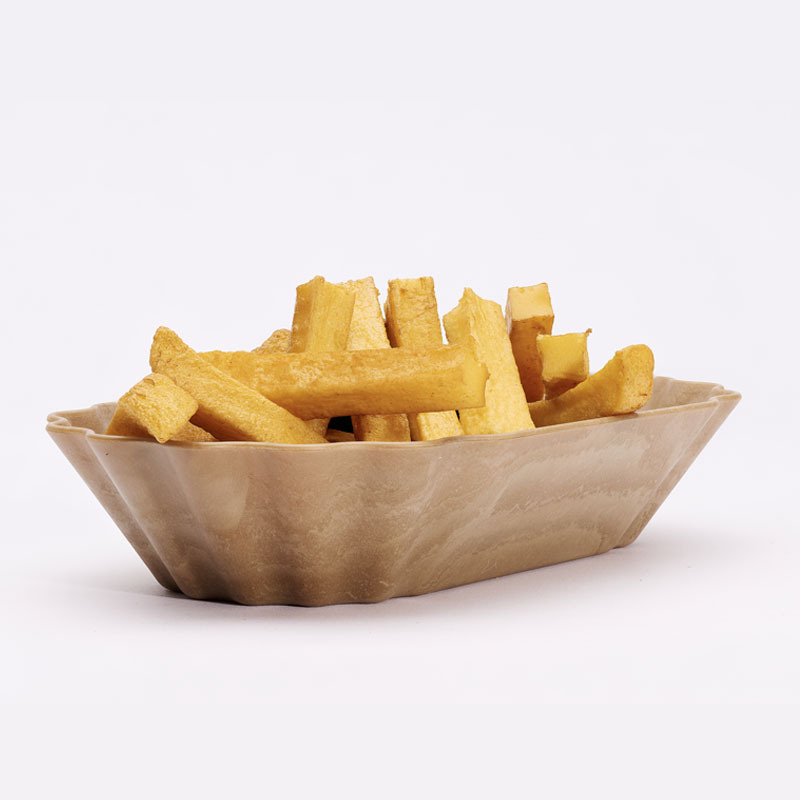
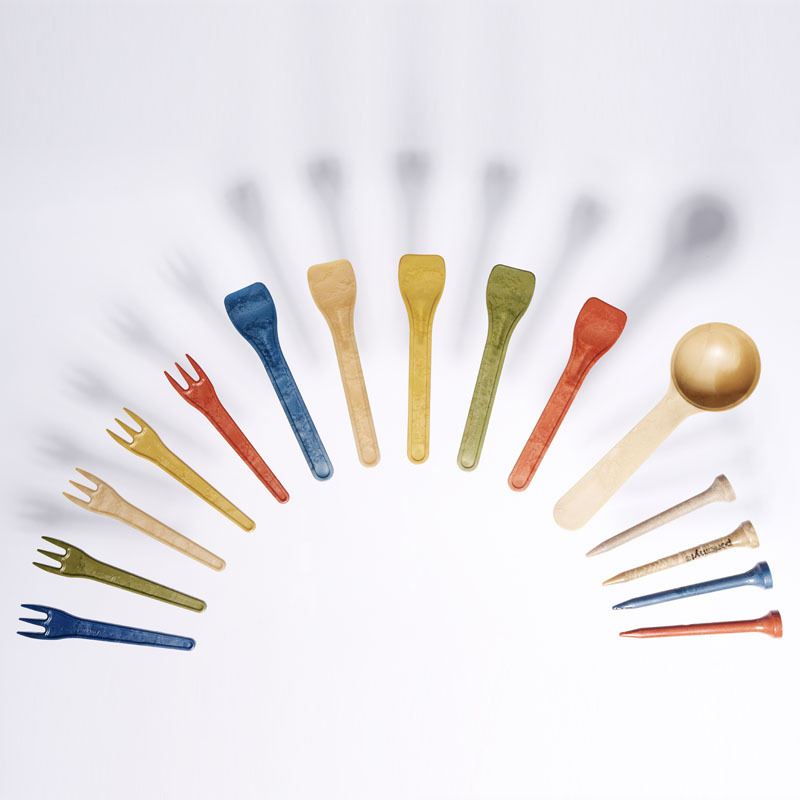
ZRO periamyl material is a sustainable raw material made from corn starch. A heat-formable material made from pure natural starch without PLA. ZRO periamyl is completely safe to dispose of in household waste or compost.
Safe for humans, animals and the environment.
In contact with water, ZRO periamyl breaks down into its components after a short time.
The products should therefore be treated as follows:
1.) protect from moisture
2.) only remove the daily requirement
3.) close the bag after use
Contact us for more information about ZRO periamyl.
🌿 Discover the magic behind zro% periamyl®! 🌽 Made from industrial maize starch, our biomaterial is revolutionizing sustainability.
The main component of ZRO% Periamyl® is cornstarch, and the other components are also naturally occurring polymers that are biodegradable and food-safe; there is no plastic inside.
The stability is similar to polystyrene; however, we wanted it to be biodegradable. Therefore, the material will start to degrade upon contact with water and will degrade further with prolonged exposure to water.
Depending on the wall thickness, it ranges from 70 to 100 degrees Celsius.
The material itself is not water-resistant; with our special treatment, it can last, nevertheless, up to one hour in water.
At least one year under dry room temperature conditions.
If the humidity is high, it can become softer outside of its packaging.
The starch is breaking down to sugar by bacteria, and the sugar is then breaking down to CO2 and water.
So in home composting, it takes about six months depending up to 10mm wall thickness. In water and seawater, it will take up to three months, and in a landfill, it's similar to home composting, probably a little bit faster, so less than six months.
It's CO2, water, and a little bit of sand.
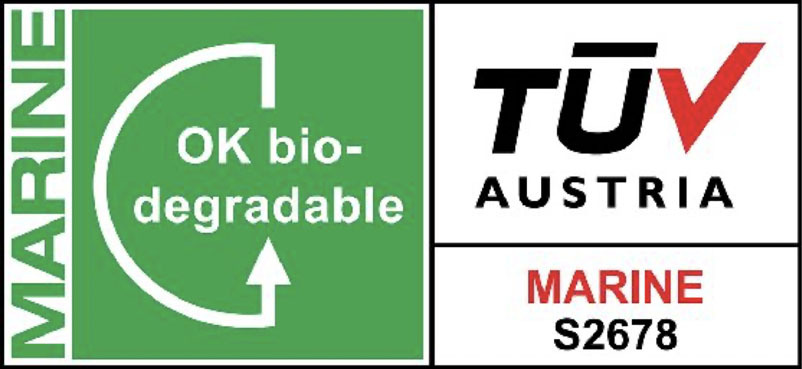
Yes, they have tested for marine degradability to determine if there is real biological degradation by bacteria. The result was that it was similar to paper.
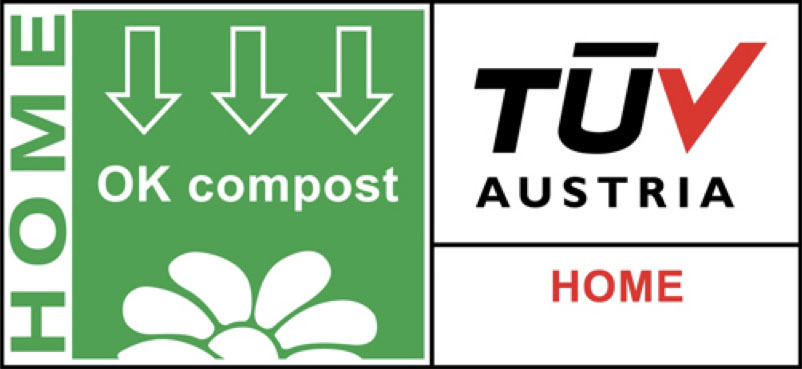
It has been certified for home composting, and for marine degradability, and is 100% biobased.
The carbon footprint is lower because no oil was produced or used for the production of the material, and the production temperatures are lower than those of fossil fuel-based plastic.
In the different certifications we made for home composts and marine degradability, there were various tests performed by TÜV Austria to ensure that there is no harm to the environment.
The material is recyclable, but the existing recycling stream doesn't make use of it.
The best option would be paper because the ingredients are very similar.
We have not tested how many times it could be recycled yet, but it degrades by about 10% with each recycling step, similar to standard plastic.
Yes, it’s similar to other plastics; it will degrade about 10% every time it’s recycled.
Essentially nothing because it's washed out in the recycling process.
No, there are not.
No, it does not.
Similar to standard plastics, it's lower, but it's not the best end-of-life option we think about.
It can be produced through injection molding and extrusion.
Yes, it can. Standard injection moulding machines can be used to produce products.
At the moment, we can produce 1,000 tons a year, but we can easily increase this to 4,000 tons a year.
No, there is nothing special; it has to be kept dry and at room temperature.
At the moment, it is more expensive than traditional plastics, but we are in the same price range as other cost-effective bioplastics.
The shape and designs are only limited by mold costs and the final stability of the product; the full 3D design is possible.
At the moment, we have food safety certification from TÜV Rheinland for the EU.
No toxicity was measured for land and marine life; there were strict tests for food safety and for marine degradability.
Because of its high heat deflection temperatures of 70 to 100 degrees, it is suitable for more appliances.
It contains none of the most important allergies listed by the EU.
List of 14 allergens:
1) Cereals containing gluten, namely wheat (such as spelt and khorasan wheat), rye, barley, oats, or hybrid strains thereof.
2) Crustaceans
3) Eggs
4) Fish
5) Peanuts
6) Soybeans
7) Milk (including lactose)
8) Nuts, namely almonds, hazelnuts, walnuts, cashews, pecans, Brazil nuts, pistachios, macadamia, or Queensland nuts.
9) Celery
10) Mustard
11) Sesame
12) Sulphur dioxide and sulphites of more than 10 mg/kg or 10 mg/l.
13) Lupin
14) Molluscs
Under standard conditions, atmospheric pressure is about 6,000 megapascals.
Under standard conditions, it's quite unflexible with an elongation at break of under 1%, but with a little bit of moisture, it becomes more flexible.
It can be colored, it can be printed on, and it probably can be lasered, but we haven't tested it yet.
The resistance to oil is very high; there's no oil that we have found that can resolve it. To acids, it's quite low, and we did not measure UV exposure, but we did not see any change in it.
The maximum thickness is essentially unlimited; we have already tested 10 millimeters, and the minimum thickness is limited by its viscosity. We achieved 0.7 millimeters, but that makes it 1.7 millimeters.
We now experience injection moulding; therefore, we know that consistency is very important. We test every batch for the material parameters and ensure that it's very consistent.
We developed the material for more than four years and kept it free of plastics—zero plastics—so that we achieve biodegradability and natural compatibility. There are already many applications for it, and more are to come.
Many single-use products can be made from the material. I think packaging items, lids, or similar items could be made with it. These one-time-use articles are the largest share of plastic waste produced every year. We welcome everyone to work with us on new applications.
Yes, due to increased demand for our material because of plastic bans globally, there are plans to scale up production in different countries.
The main challenge is the variation in regulations across different countries; in some, it took over a year to get through the regulations, while in others, it's still ongoing. This is primarily because we don't fit into a specific category. We want to improve the world and reduce harmful waste, but our progress is slowed down by these regulations.
Dr. Timo Porsch
CTO / Board member
periplast GmbH & Co. KG), Neumarkt 5, 42103 Wuppertal, Germany
T: +49 (0) 202 270 46 0
Helen Chow
Business Development Coordinator
Unit 3C, Lu Gia Plaza, No. 70 Lu Gia Street, Ward 15,
District 11, Ho Chi Minh City, Vietnam
T: +(84 28)3636-5383
EUROPE
periamyl production
periplast production S.R.L.
Str. Vizigotok Nr. 9
535600 Odorheiu Secuiesc
Romania
CHINA
ZRO periamyl products production
Tat Shing Luen Fung Electronic Toys Company Limited
Cuishan Lake Kaiping district,
Guangdong Province,
China

Periplast (Global) Limited
HQ: Rm1701-2, Shanghai Industrial Investment Building,
No.60 Hennessy Road, Wanchai, Hong Kong
T: +852 2527 0821
© 2025 Periplast (Global) Limited. All rights reserved.